What Is Kojic Acid?
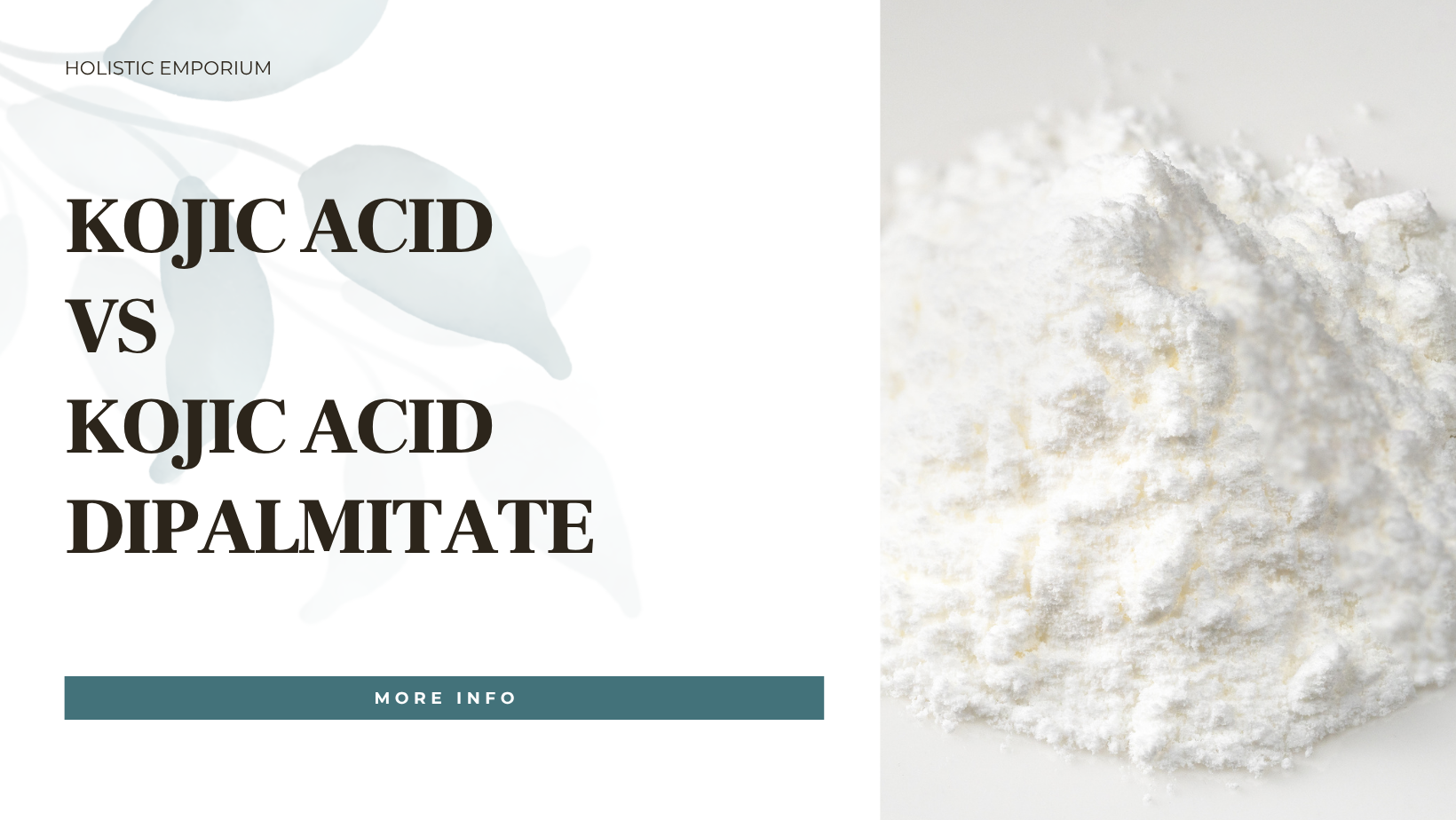
Kojic Acid is a well known cosmetic brightening ingredient used in products designed to improve the appearance of uneven skin tone, dark marks and dull looking skin.
It is commonly used in:
- Serums
- Toners
- Gels
- Water based treatments
- Creams
- Brightening skincare products
Kojic Acid is water soluble, which means it is usually added to the water phase of a formulation. The challenge is that Kojic Acid can be unstable when exposed to light, heat and air. This may affect the colour, consistency and performance of the finished product over time.
For this reason, Kojic Acid requires careful formulation, correct pH control, suitable packaging and proper storage.
What Is Kojic Acid Dipalmitate?
Kojic Acid Dipalmitate, also known as Kojic Dipalmitate, is a modified form of Kojic Acid. It was developed to improve stability and make the ingredient easier to use in oil based and emulsion based skincare products.
Kojic Acid Dipalmitate is oil soluble, which makes it ideal for:
Brightening creams
Tone correcting lotions
Body butters
Facial oils
Balms
Emulsions
Night creams
Underarm care creams
Hand and neck creams
It is especially popular in formulations created for pigmentation, dark marks, uneven skin tone and radiance boosting skincare.
Kojic Acid vs Kojic Acid Dipalmitate
| Feature | Kojic Acid | Kojic Acid Dipalmitate |
|---|---|---|
| Solubility | Water soluble | Oil soluble |
| Stability | Less stable | More stable |
| Best for | Toners, gels and water based serums | Creams, lotions, body butters and emulsions |
| Formulation phase | Water phase | Oil phase |
| Sensitivity | More sensitive to light, heat and air | Better stability in cosmetic products |
| Common use | Brightening skincare | Brightening and tone correcting skincare |
| Formulator level | Needs careful pH and stability control | More practical for oil based and cream formulations |
Why Kojic Acid Dipalmitate Is Often Preferred
Kojic Acid Dipalmitate is often preferred by cosmetic formulators because it is more stable than standard Kojic Acid. This matters because stability affects how a product looks, feels and performs over time.
A beautiful skincare product should not just work on day one. It should remain elegant, consistent and reliable while sitting on a bathroom shelf, in a salon, in a spa, or in a customer’s skincare routine.
Kojic Acid Dipalmitate is also easier to include in richer skincare products because it works well in the oil phase. This makes it a good choice for formulators who want to create more luxurious products with a creamier, more nourishing skin feel.
Is Kojic Acid Dipalmitate Better Than Kojic Acid?
For many formulations, yes.
Kojic Acid Dipalmitate is often the better choice if you are making:
Creams
Lotions
Body butters
Facial oils
Oil based serums
Night creams
Underarm brightening creams
Tone correcting body products
Kojic Acid may still be useful in water based products, but it needs more careful formulation. If you are creating a rich cream or lotion, Kojic Acid Dipalmitate is usually the more practical and stable option.
Does Kojic Acid Dipalmitate Help With Dark Marks?
Kojic Acid Dipalmitate is commonly used in cosmetic formulations designed to improve the appearance of:
Dark marks
Uneven skin tone
Pigmentation
Dull skin
Sun damaged looking skin
Post blemish marks
Uneven looking complexion
It is best described as a cosmetic brightening ingredient that helps support a more radiant and even looking skin tone. It should not be described as a bleach or a medical treatment.
Does Kojic Acid Dipalmitate Lighten Skin?
Kojic Acid Dipalmitate is used in skincare products that focus on a brighter, more even looking complexion. It is better to say that it helps improve the appearance of uneven tone and dullness, rather than saying it lightens or bleaches the skin.
This keeps your product wording more professional, more cosmetic friendly and safer for website use.
How To Use Kojic Acid Dipalmitate In Formulations
Kojic Acid Dipalmitate is oil soluble and should be added to the oil phase of your formulation.
It should not simply be stirred into water, aloe vera gel or a finished cream. It needs to be properly incorporated into the formula.
General formulation guidance:
- Use in the oil phase
- Warm gently if required
- Mix thoroughly until properly dispersed
- Use suitable emulsifiers for creams and lotions
- Follow supplier recommended usage levels
- Make small test batches first
- Check texture, colour, stability and skin feel
- Always patch test the finished product
Common usage levels are often around 1 to 5 percent, depending on the formula and supplier guidance.
Product Ideas Using Kojic Acid Dipalmitate
Kojic Acid Dipalmitate can be used to create:
- Brightening face cream
- Even tone body lotion
- Dark mark cream
- Underarm care cream
- Hand and neck cream
- Glow body butter
- Night cream
- Facial oil
- Oil based serum
- Radiance balm
- Tone correcting moisturiser
This makes it a versatile ingredient for both DIY skincare makers and cosmetic brands.
Kojic Acid Dipalmitate For DIY Skincare
Kojic Acid Dipalmitate is a popular choice for DIY skincare because it can be used in richer, oil based products. However, it is still an active cosmetic ingredient and should be used correctly. It should not be applied directly to the skin as a raw powder. It must be used as part of a properly formulated cosmetic product. For best results, make small batches, measure accurately and record your formula so you can repeat or adjust it later.
Important Sunscreen Reminder
If you are making or using products for pigmentation, dark marks or uneven skin tone, sunscreen is essential during the day.Brightening ingredients work best when the skin is protected from sun exposure. Without sunscreen, dark marks and uneven tone can become more noticeable again.
Safety Notes
Kojic Acid and Kojic Acid Dipalmitate are cosmetic ingredients for external use only.
- Do not ingest
- Do not apply directly to the skin undiluted
- Avoid contact with eyes
- Keep away from children
- Patch test the finished product
- Discontinue use if irritation occurs
- Follow recommended usage levels
- Test your formulation before selling
This ingredient is intended for cosmetic use and is not intended to diagnose, treat, cure or prevent any disease.
FAQs About Kojic Acid And Kojic Acid Dipalmitate
What is the difference between Kojic Acid and Kojic Acid Dipalmitate?
Kojic Acid is water soluble and less stable. Kojic Acid Dipalmitate is oil soluble and more stable, making it better suited to creams, lotions, body butters, facial oils and emulsions.
Is Kojic Acid Dipalmitate better than Kojic Acid?
Kojic Acid Dipalmitate is often better for creams, lotions and oil based formulations because it is more stable and oil soluble. Kojic Acid may be better suited to certain water based products, but it requires careful formulation.
Is Kojic Acid Dipalmitate water soluble?
No. Kojic Acid Dipalmitate is oil soluble. It should be added to the oil phase of a formulation.
Can Kojic Acid Dipalmitate be used in body butter?
Yes. Kojic Acid Dipalmitate can be used in body butters, provided it is properly dispersed and used at the correct percentage.
Can Kojic Acid Dipalmitate be used in facial oils?
Yes. Because it is oil soluble, Kojic Acid Dipalmitate can be used in oil based skincare products. However, formulators must make sure it is properly dissolved or dispersed and suitable for the final product.
What percentage of Kojic Acid Dipalmitate should I use?
Common cosmetic usage levels are often around 1 to 5 percent, depending on the formulation and supplier guidance. Always test your formula and follow recommended usage levels.
Does Kojic Acid Dipalmitate help with pigmentation?
Kojic Acid Dipalmitate is commonly used in cosmetic products designed to improve the appearance of pigmentation, dark marks and uneven skin tone. It should be used consistently and alongside daily sun protection.
Can I mix Kojic Acid Dipalmitate with Niacinamide?
Yes, Kojic Acid Dipalmitate is often used in brightening formulations alongside Niacinamide. The final formula must be properly made and tested for stability and skin feel.
Can I mix Kojic Acid Dipalmitate with Alpha Arbutin?
Yes, Kojic Acid Dipalmitate and Alpha Arbutin are often used together in tone correcting cosmetic products. Because they have different solubility needs, they must be added to the correct phases of the formula.
Can I use Kojic Acid Dipalmitate directly on my skin?
No. Kojic Acid Dipalmitate should not be applied directly to the skin as a raw ingredient. It must be used in a properly formulated cosmetic product.
Is Kojic Acid Dipalmitate safe for sensitive skin?
It is often considered gentler than standard Kojic Acid, but every skin is different. Patch testing is recommended, and sensitive skin formulas should include soothing and barrier supporting ingredients.
Do I need sunscreen when using Kojic Acid Dipalmitate?
Yes. Sunscreen is very important when using products aimed at dark marks, pigmentation or uneven skin tone. Sun exposure can make pigmentation look darker and reduce the visible benefits of brightening skincare.
Kojic Acid and Kojic Acid Dipalmitate are both popular brightening ingredients, but they are not the same.
Kojic Acid is water soluble and more delicate to formulate with. Kojic Acid Dipalmitate is oil soluble, more stable and ideal for creams, lotions, body butters, facial oils and emulsions.
For formulators who want a stable, versatile and professional brightening ingredient, Kojic Acid Dipalmitate is a powerful choice for creating skincare products that support a smoother, brighter and more even looking complexion.