
Now that you have the tools, it’s time to think about how to incorporate them into your spa’s offerings. This article will show you how to create customized massage packages, market your new services, and even offer take-home options for clients.
Tips for Incorporating Massage Tools
- Create Customized Massage Packages: Develop packages based on specific tools like gua sha stones for facials or massage sticks for body relaxation. For example, a “Deep Tissue Release” package could include trigger point tools for relieving tight muscles.
- Educate Your Staff: Ensure your team knows how to use each tool effectively. This knowledge enhances service quality and allows for personalized treatments.
- Offer Demonstrations: Show potential clients how the tools work with mini-sessions or workshops. This is a great way to highlight the benefits and attract new customers.
- Add Retail Options: Consider offering massage kits for clients to take home. Many clients love continuing their relaxation and wellness routines with professional-grade tools.
By thoughtfully integrating massage tools into your spa’s services, you can elevate the quality of each treatment, increase customer satisfaction, and even open up new revenue streams with retail options. Explore Holistic Emporium’s collection to get started today.
Why Use Massage Tools in Your Spa
Massage tools aren’t just a trend—they’re a way to enhance both client satisfaction and the effectiveness of each treatment. In this article, we’ll explore why adding specialized massage tools and massage kits to your spa can elevate client experience, while improving your services.
Why Use Massage Tools in Your Spa?
- Precision Targeting: Tools can target specific muscles or pressure points, offering deep relaxation and improving circulation.
- Increased Relaxation: Rollers, gua sha stones, and other tools provide soothing effects that encourage deeper relaxation.
- Therapist Well-being: Tools help reduce strain on therapists, making it easier to provide effective treatments without fatigue.
How Massage Tools Elevate the Spa Experience
Adding the right massage tools to your services can provide benefits such as relieving chronic muscle pain, improving skin tone, and promoting circulation, making these treatments popular among clients looking for stress relief and wellness.
Incorporating massage tools into your spa services isn’t just about the immediate benefits for clients; it’s also about enhancing the overall spa experience and making your services more effective and memorable.
How to Warm Hot Stones
One of the most important aspects of hot stone massage is ensuring the stones are heated to the perfect temperature. Here’s a comprehensive guide on how to warm your stones safely and efficiently.

1. Methods for Heating Hot Stones
- Professional Stone Warmer: The safest and most efficient tool. Fill the warmer with water and set it to the desired temperature.
- Slow Cooker or Crockpot: If you don’t have a stone warmer, a slow cooker works well. Set it to “low” and monitor the temperature closely.
- Hot Water Bath: For quick heating, immerse stones in a pot of hot (but not boiling) water.
2. Recommended Temperature
The ideal temperature for hot stones is between 43°C to 54°C. Ensure that the stones are warm to the touch but not hot enough to burn.
3. Safety Tips
- Always Test Stones: Test on your forearm before applying to clients.
- Avoid Overheating: Overheating stones can cause burns. If stones are too hot, let them cool briefly on a towel.
Heating stones to the correct temperature ensures a safe, comfortable experience for clients.
Hot Stone Massage Safety
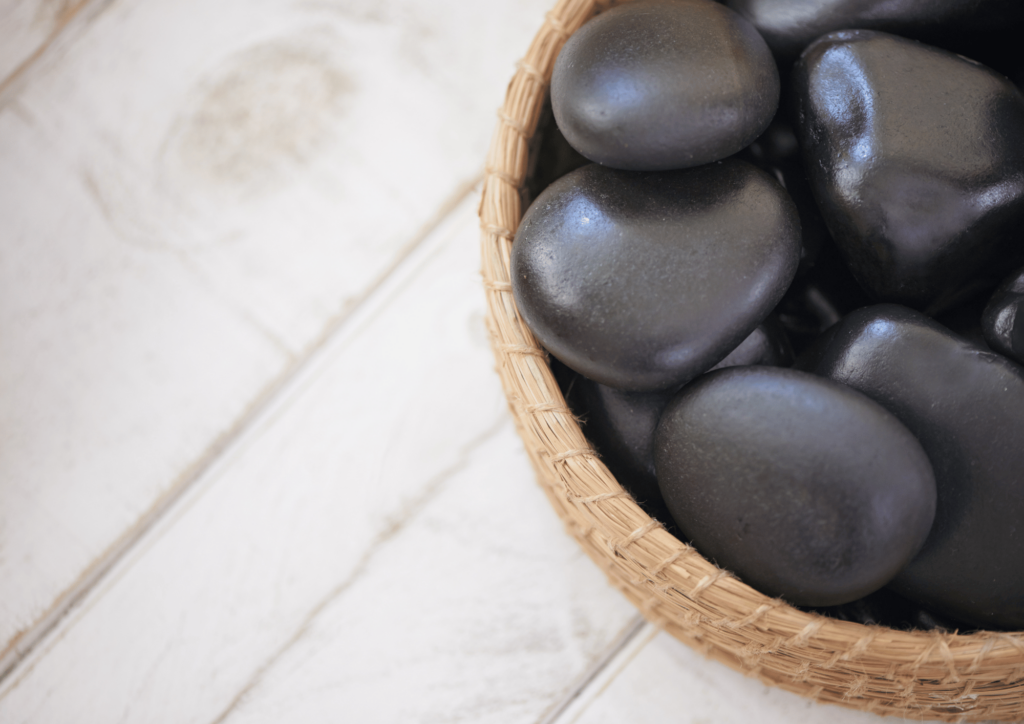
Hot stone massage offers incredible benefits, but proper safety practices are essential for a safe and pleasant experience. Here are crucial tips for both therapists and clients to consider.
1. Temperature Safety
Ensure stones are heated to the correct temperature to avoid burns.
- Always Test: Place stones on your inner forearm to check for a comfortable temperature.
- Use Towels as Barriers: Place a towel between the stone and skin, especially for sensitive areas.
2. When to Avoid Hot Stone Massage
Some clients may have conditions that make hot stone massage unsuitable.
- Health Conditions: Avoid hot stone massage for clients with conditions like diabetes, heart disease, or skin infections.
- Pregnancy Caution: Pregnant clients should avoid or modify hot stone treatments.
3. Communication with Clients
Encourage clients to communicate discomfort immediately.
- Check In Regularly: Ask about comfort levels and adjust stones if necessary.
- Educate Clients: Inform clients of any post-massage aftercare, like hydration or resting.
By following these safety practices, therapists can ensure a comfortable and therapeutic hot stone experience for every client.